How Commercial Energy Storage Improves Factory Profitability
Electricity costs don’t always rise sharply—but they become harder to predict. For many factories, that unpredictability is the real challenge.
Solar systems generate power when demand is low. Peak tariffs arrive when solar output fades. And grid instability adds operational risk that’s easy to overlook—until it disrupts production.
This is where commercial energy storage becomes more than just equipment. It becomes a way to regain control.
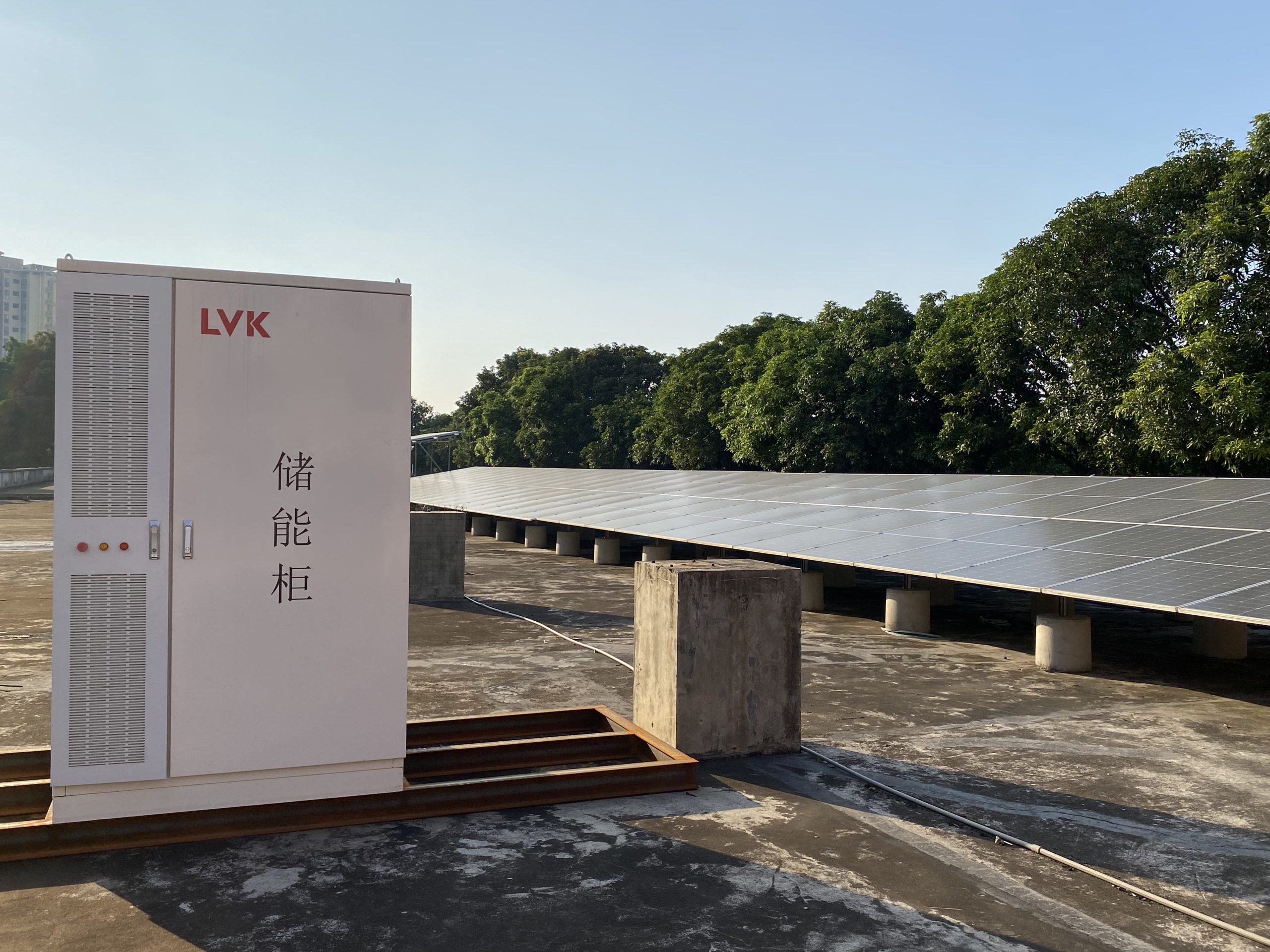
The Real Problem: Energy Timing Mismatch
Most factories don’t lack energy—they lack control over when it’s used.
Without a commercial energy storage system:
- Excess solar energy is wasted during the day
- Expensive electricity is purchased at night
- Production remains dependent on grid conditions
Energy storage changes this by shifting consumption across time. Power can be stored when it’s cheap (or solar-generated) and used when it’s valuable.
That’s where cost optimization really happens.
What Actually Determines ROI
The return on investment isn’t just about battery size—it’s about how intelligently the system operates.
An integrated EMS (Energy Management System) continuously adjusts:
- Charging during low-price periods
- Discharging during peak tariffs
- Battery usage to reduce unnecessary wear
Instead of fixed schedules, the system responds in real time. Over time, this creates consistent savings that static systems can’t match.
Unlocking the Full Value of Solar
Many factories already have solar installations but still rely heavily on the grid.
The reason is simple: solar generation and energy demand rarely align.
During the day, excess energy may go unused or be sold at low rates. At night, electricity must be purchased at higher prices.
By combining solar with energy storage, factories can retain that excess energy and use it when it matters most. This significantly improves overall ROI.
More Than Savings: Operational Stability
Energy isn’t just a cost—it’s a dependency.
In areas with unstable grids, even short outages can:
- Interrupt production
- Delay shipments
- Increase financial risk
A storage system with fast switching capability can keep operations running without interruption. In many cases, this stability is just as valuable as cost savings.
Where System Design Makes a Difference
Not all systems perform equally in real-world conditions.
Key factors that influence long-term performance include:
- High usable capacity (≥95% DoD)
- Long cycle life (up to 8000 cycles)
- Effective thermal management (such as liquid cooling)
- Modular structure for easier maintenance
In our solutions, these elements are combined with a fully integrated EMS, allowing the system to automatically adapt to pricing, load, and solar generation—without requiring constant manual control.
Reducing Dependence on Diesel Generators
Diesel generators are still widely used, but they come with ongoing drawbacks:
- Fuel cost volatility
- Maintenance requirements
- Noise and environmental concerns
Energy storage reduces how often generators are needed. In many cases, they become a backup of last resort rather than a daily necessity.
From Cost Control to Energy Strategy
What’s changing is not just technology, but mindset.
Factories are beginning to treat energy as something that can be managed and optimized—not just consumed.
With commercial energy storage, businesses gain:
- Greater control over electricity costs
- Better use of solar energy
- More stable and predictable operations
Over time, that control turns into a measurable competitive advantage.
Popular Products: