
Mr. Fernando, the factory owner from Spain: My oil press can finally work during the day.
He comes from the Andalusia region in southern Spain. He is the owner of an olive oil processing plant, and his name is Fernando.
Mr. Fernando’s concern was different from most people’s. While most people worry about high electricity bills, Mr. Fernando’s problem was this: his olive oil press could only run at night.
Why can the oil press only be operated at night?
Mr. Fernando’s olive oil processing plant is medium‑sized, processing several dozen tons of olives each year. The main equipment for oil extraction consists of a high‑power press and a centrifuge separator, with a combined power of nearly forty kilowatts. When these two machines run, the electricity meter spins rapidly.
In Spain, electricity is billed under a time‑of‑use tariff. The daytime is peak hours, when electricity is most expensive; the nighttime is off‑peak hours, when electricity is much cheaper—about half the daytime rate. To save on electricity costs, Mr. Fernando had no choice but to schedule the pressing after ten o’clock at night. Every night, his workers started their shift and worked until three or four in the morning.
This schedule was tough on the workers. They had to take care of family matters during the day and come in to work at night, throwing their body clocks completely out of sync. Mr. Fernando felt guilty about it, but there was no other option—if he ran the press during the day, his electricity bill would nearly double.
He tried adjusting the production schedule, moving some processes to the daytime, but the pressing itself consumed the most power and couldn’t be moved. He also considered installing solar panels, but the pressing season falls in autumn and winter, when daylight hours in southern Spain are limited, and the solar output wouldn’t be enough to support daytime production.
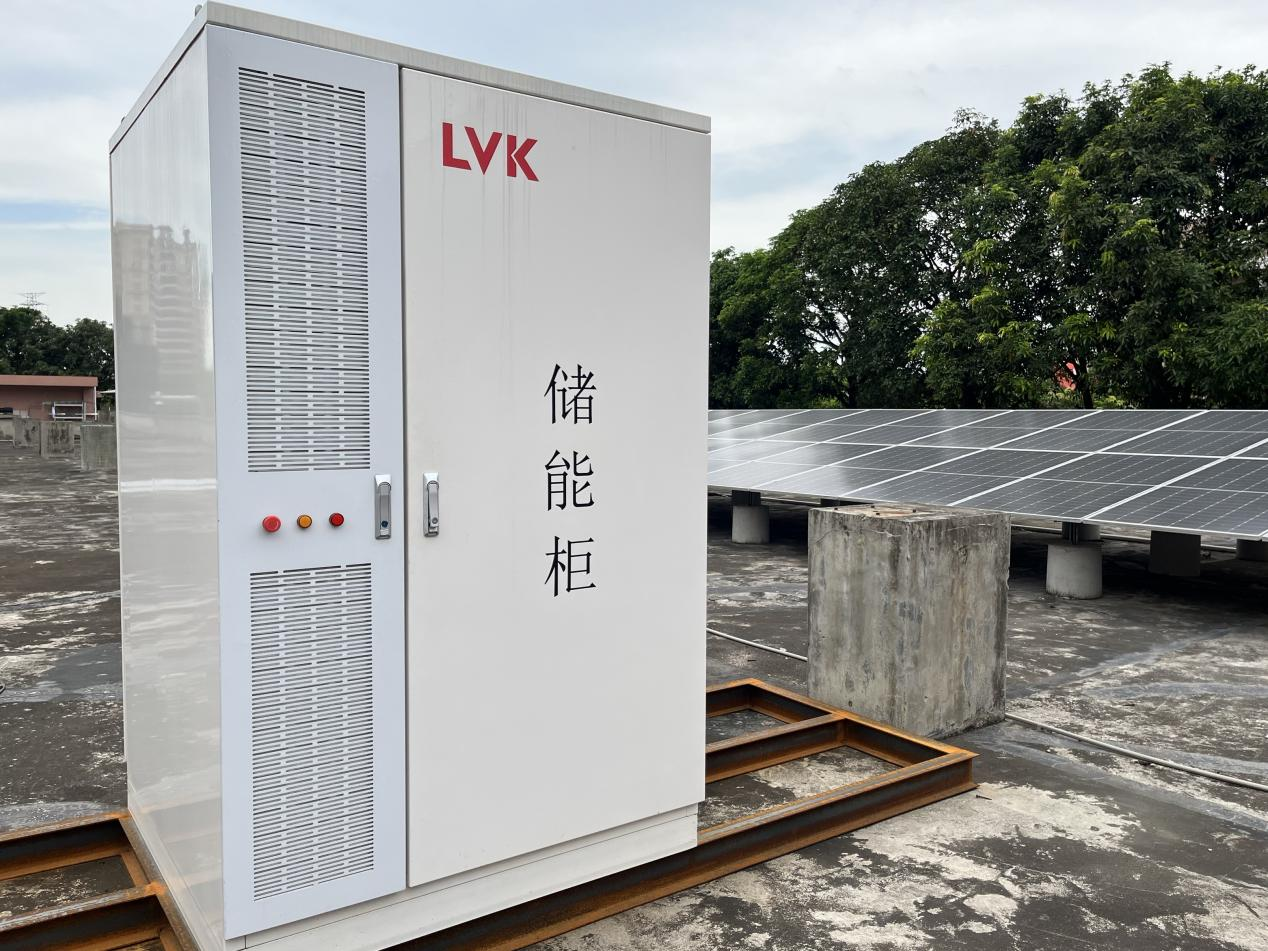
Then he heard about energy storage cabinets—a way to store cheap electricity at night and use it during the day. That way, the press could run in the daytime.
Why did he choose Long Weixin Electric?
When Mr. Fernando searched online for energy storage cabinets, he came across many brands—European, Chinese, American. He spent several weeks researching and ultimately chose Longvictor New Electrical.
He later told us there were three reasons for his decision.
First, our product specifications were very clear, with no overstated claims. He said that with some brands, there was a big gap between the stated capacity and the actual usable capacity, whereas our specification sheet clearly indicated the usable capacity, maximum power, and cycle life, with every figure backed by test data.
Second, we responded to emails quickly. When he first reached out with an inquiry, he received a reply within two hours. He followed up with several technical questions, and we answered each one in detail. He felt that a company that responds promptly to its customers was likely reliable.
Third, he had read our “Transparent Factory” series of articles. He said he especially liked the piece about the German baker, Mr. Müller, because he found the story authentic and not made up. He commented: “The fact that you are willing to write about your customers shows that you have confidence in your products.”
installation and debugging
The energy storage cabinet Mr. Fernando ordered was a 30 kW unit with approximately 60 kWh of capacity. Based on our calculations, this capacity was sufficient to support his daytime olive pressing operations.
After the equipment arrived in Spain, Mr. Fernando hired a local electrician to handle the installation. The process went smoothly, as his factory’s electrical panel was relatively new and had reserved connection points. The electrician finished connecting the energy storage cabinet in half a day.
The subsequent commissioning was completed remotely by our after‑sales engineer, Lao Zhou. He helped Mr. Fernando configure the charge and discharge strategy: during the off‑peak hours from 10 p.m. to 8 a.m., the cabinet would automatically charge; during the daytime when the press was running, the cabinet would automatically discharge to power the equipment.
Mr. Fernando tried operating it himself and found it very simple. He said, “The interface is much more user‑friendly than I expected. I don’t need to be an engineer to understand it.”
The changes after one month of use
After the energy storage cabinet had been running for a month, Mr. Fernando sent us an email. The subject line read: “I’m seeing the change.”
In the email, he attached a comparison of his electricity bills. Before installing the cabinet, his monthly electricity cost was about €2,400. In the first month after installation, it dropped to €1,500—a saving of nearly €900.
How did he achieve this? Previously, his olive press ran at night using cheap off‑peak electricity. However, the factory’s other equipment—lighting, ventilation, office equipment—still operated during the day using peak‑rate electricity, which couldn’t be avoided. After installing the energy storage cabinet, he moved the pressing operations to the daytime. The press now ran on the cheap electricity stored in the cabinet, and the cabinet itself was charged overnight. As a result, all production‑related electricity usage was effectively at off‑peak rates, with only lighting and office equipment still consuming peak‑rate power.
Mr. Fernando did the math: at this rate of savings, the investment in the energy storage cabinet would pay for itself in just over two years. Everything after that would be pure savings.
Greater change: The workers are happy now.
A lower electricity bill was something Mr. Fernando had expected. But there was one change he hadn’t anticipated: his workers were happy.
Before, the workers had to start their shift after ten o’clock at night and finish at three or four in the morning. By the time they got home, dawn was approaching. They had to sleep during the day, leaving little time for their families. A few workers had even been on the verge of quitting because of this schedule.
Now, olive pressing was moved to daytime. The workers started at eight in the morning and finished at five in the afternoon. They could have dinner with their families in the evening and enjoy a normal weekend. Their overall morale had improved significantly.
In his email, Mr. Fernando wrote: “My wife says I’ve been in a better mood lately. I told her it’s not that my mood has changed—it’s that I no longer worry about the electricity bill every month, and I no longer worry about workers quitting. This cabinet not only saved me money, it saved my factory.”
The sentence that Mr. Fernando said
During the follow‑up, we asked Mr. Fernando what single word he would use to describe the change the energy storage cabinet had brought to him.
He thought for a moment and said one word: “Freedom.”
He explained: “Before, I was controlled by the electricity bill. When to start work, when to rest, how much electricity to use, how much to save—all of it was dictated by the electricity rates. Now, I’m the one in charge. If I want to work during the day, I work during the day. If I want to add another piece of equipment, I can do it without worrying about the electricity bill skyrocketing. That feeling—that’s freedom.”
Final Note
Mr. Fernando’s story, like those of Mr. Müller and Mr. Maciej before him, is unique. Mr. Müller wanted to save on electricity costs, Mr. Maciej needed protection against power outages, and Mr. Fernando sought to transform his production schedule.
Yet their stories share one common thread: the energy storage cabinet helped solve a problem that had long troubled them, giving them the freedom to focus on what they do best.
Mr. Müller can concentrate on baking bread without worrying about electricity bills. Mr. Maciej can tend to his livestock with peace of mind, no longer fearing blackouts. Mr. Fernando can run his production on a normal schedule, sparing his workers from grueling night shifts.
This is what making energy storage cabinets means to us. It’s not about selling a piece of equipment—it’s about solving a real problem for our customers. Each customer faces a different challenge, and each solution we provide is tailored accordingly. But the ultimate goal remains the same: to make our customers’ lives a little better than before.
Today, Mr. Fernando’s olive oil press runs normally during the day. His workers keep regular hours, and barrels of olive oil are produced steadily, shipped to supermarkets and restaurants across Spain. The energy storage cabinet stands quietly in a corner of the factory, charging each night and discharging during the day—working silently, never complaining.
Mr. Fernando says that sometimes, when he passes by the cabinet, he gives it a pat and says, “Thank you, my friend.”
This is Longvictor New Electrical in its thirteenth year. Our energy storage cabinet, standing beside an olive grove in southern Spain, is helping a family‑run oil mill continue its tradition of producing olive oil.
If you face a similar challenge—if high electricity costs have tied down your production schedule—we’d love to hear from you. Maybe we can help you, too, experience that feeling: freedom.