
A Growth Memory of a Factory in Guangdong
We’ve turned Longvictor New Electrical inside out. The workshop, processes, after‑sales, customers, employees, orders, failures, details, innovations, vision… we’ve covered every angle.
But there’s one angle we haven’t written about specifically: time.
Longvictor New Electrical was not built in a day. From a small workshop in the very beginning to the factory we have today—which is decent enough—it took ten years. Over those ten years, we moved our factory twice, upgraded through three generations of products, bid farewell to a number of veteran employees, and welcomed many new faces.
In this article, I want to walk you through the story of Longvictor New Electrical’s ten‑year journey, following the timeline from beginning to end. Not for the sake of nostalgia, but to let you know how the Longwei Xindian you see today came to be, step by step.
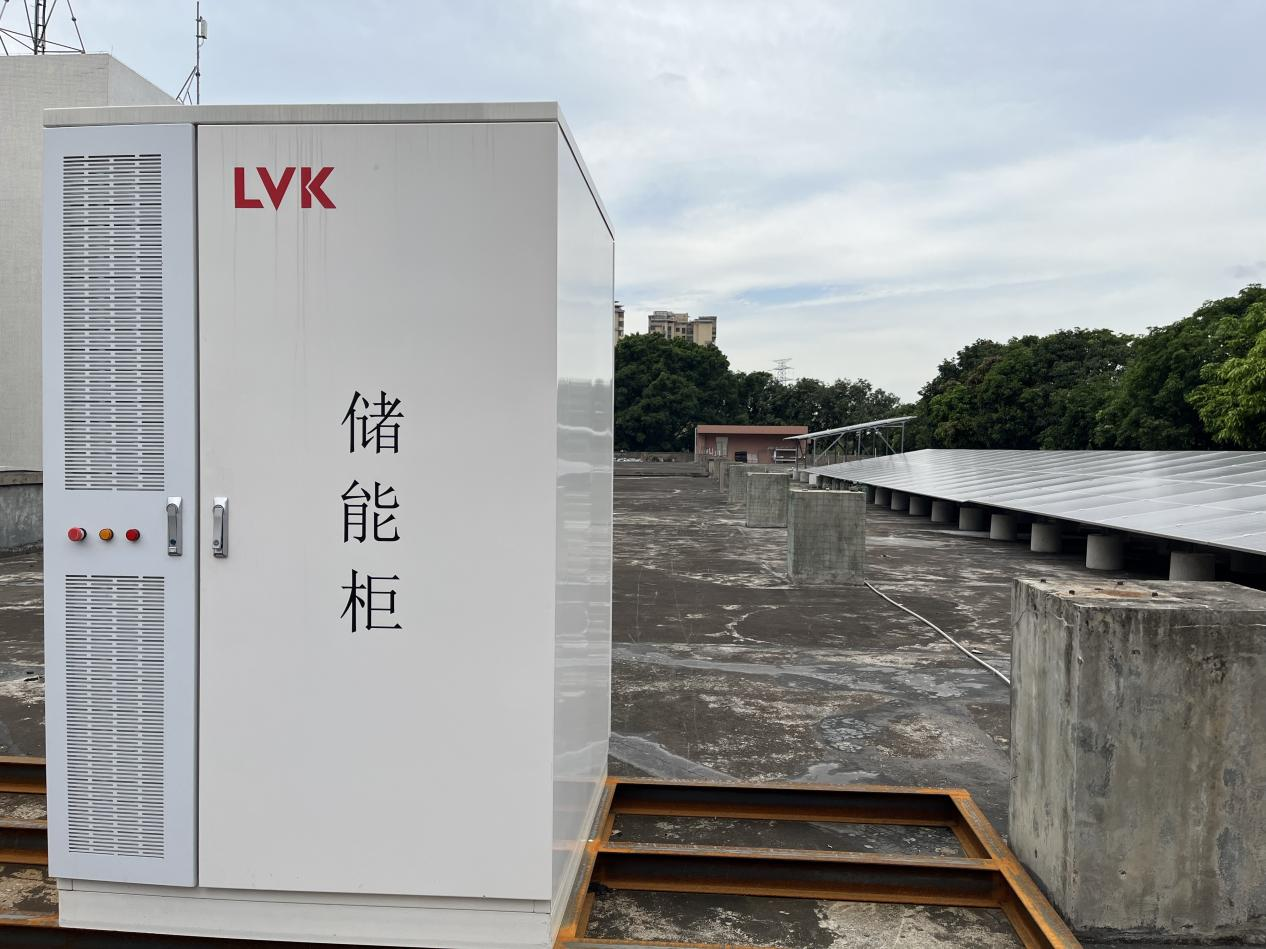
Year One: Starting from a rented room
Ten years ago, we rented a factory space of less than 100 square meters. To call it a factory was generous—it was really just an ordinary rented room, with a hand‑painted sign hanging at the entrance that read: Longvictor New Electrical Factory.
Back then, we didn’t manufacture energy storage cabinets. We didn’t even know what energy storage was. What we did was simple battery assembly—welding cells together, adding a protection board, and selling them to small factories that made electric bicycles. The orders were small, the margins were thin, but we believed that as long as we worked hard, we would eventually make something of ourselves.
That year, we had only five people. No assembly lines, no automated equipment—all of our products were hand‑soldered and manually inspected. Every day before clocking out, the five of us would gather around, check each unit we had produced that day one by one, and only box them up after confirming everything was in order.
That year, our biggest customer was a foreign trade company that made electric scooters. They ordered two hundred battery packs from us each month. Two hundred packs—insignificant by today’s standards, but back then, that was our entire order book.
The third year: The first move, the first transformation
In the third year, we rented a 500‑square‑meter factory space. This move wasn’t because business was booming, but because our previous landlord wanted to raise the rent and we couldn’t afford it.
After moving to the new location, we began shifting from battery assembly to energy storage systems. In hindsight, this was the right move, but at the time, it was a risk. We didn’t understand inverters, we didn’t understand BMS, we didn’t understand communication protocols—we had to learn everything from scratch.
That year, our boss went to Beijing on his own to attend an energy storage technology training course. When he came back, he taught what he had learned to the team. We bought many books, read many research papers, disassembled many competing products, and figured things out bit by bit.
When the first batch of energy storage cabinets was completed, they looked quite ugly and performed only modestly. But our General Manager Wang said something that I still remember to this day: “Don’t be afraid of how they look. First, just get it made. Then we can improve it slowly.”
Year 5: The first overseas order
In the fifth year, Longvictor New Electrical received its first overseas order. The customer was a trading company in Southeast Asia, purchasing twenty energy storage cabinets for use in rural areas.
The day we received the order, the whole factory was excited. But after the excitement faded, questions emerged: Was our product suitable for Southeast Asia’s climate? Was the voltage stable there? Would users know how to operate it?
After that batch was shipped, we kept a close eye on customer feedback. Two months later, the customer messaged us to say that the cabinets were running well and user feedback was positive. We breathed a sigh of relief, but we also realized: entering the overseas market doesn’t end when the goods are shipped—after‑sales service, spare parts, and technical support all need to keep up.
That year, we began establishing our overseas after‑sales process. It was still rudimentary, but the direction was right.
The seventh year: Second relocation, first introduction of automated equipment
In the seventh year, Longvictor New Electrical moved to its current factory. This move wasn’t because we were forced out, but because the business had indeed grown and the old space was no longer sufficient.
That year, we did something significant: we introduced a batch of automated equipment. Laser welding machines, automatic sorting machines, aging test cabinets—these pieces of equipment represented a significant investment, but General Manager Wang felt it was worth it. He said: “Working by hand, we could only produce a few units a day. With machines, we can produce dozens a day. And machines offer greater precision than people, leading to more consistent quality.”
During the period when we were introducing automated equipment, the whole factory was learning. The veteran employees were not quite used to it at first, feeling that machines were not as flexible as their own hands. But gradually, they discovered that the machines could indeed save them a lot of effort, and the products they produced were more uniform.
That year, our production capacity doubled.
Year 8: First time a customer requested a return
In the eighth year, Longvictor New Electrical experienced a major setback. A batch of energy storage cabinets shipped to Europe was found by the customer to have batch‑quality issues. The customer demanded a return and was firm in their stance.
That batch consisted of sixty units, representing a significant value. If all were returned, it would not only be a heavy financial loss but also damage the customer’s trust in us.
General Manager Wang made a decision: recall all units, issue a full refund, and cover the customer’s installation costs and freight charges. This decision cost the company a considerable amount of money, but it also earned the customer’s respect. The customer later told us that the reason they were willing to continue working with us was that when the problem arose, we did not shirk responsibility but instead bore the consequences in a concrete way.
After that incident, we comprehensively upgraded our quality control system. Since then, there has never been another batch‑quality issue.
Year 9: First time to receive international certification
In the ninth year, Longvictor New Electrical’s energy storage cabinets passed a series of international certifications, including CE certification, IEC certification, and RoHS certification. This meant that our products could now legally enter the European market.
The certification process was more difficult than we had imagined. Just the EMC testing alone took three attempts before it passed. The first time, the power supply filtering was inadequate; the second time, there was an issue with the grounding method; only on the third attempt did it pass all requirements.
During that period, our engineers spent every day in the lab—modifying designs, running tests, analyzing data, over and over again. On the day we received the certification documents, everyone was calm—too exhausted even to celebrate.
But General Manager Wang said something: “From today onward, Longvictor New Electrical is a company that can go out into the world.”
The Tenth Year: Today
Year ten—which is now.
Longvictor New Electrical has a complete energy storage cabinet production line, a stable technical team, and a number of long‑term overseas customers. Our products are exported to Europe, Southeast Asia, the Middle East, and other regions, with new customers joining every year.
But we know this is only the beginning. Because the energy storage industry is still evolving rapidly. New technologies, new standards, and new demands emerge every day. If we stop moving forward, we will soon be left behind.
So in its tenth year, Longvictor New Electrical is still running. We are still improving our products, still optimizing our processes, still learning new knowledge. We wouldn’t dare to say we’ve done exceptionally well, but we can say this: we have been working hard every step of the way.
Final Note
Ten years—neither too long nor too short for a company.
Over these ten years, Longvictor New Electrical has moved its factory twice, upgraded through three generations of products, experienced failures, and tasted success. Over these ten years, some people have left, some have joined, and some have grown from inexperienced newcomers into skilled veterans.
Over these ten years, we have learned many things. We learned how to make products, how to manage quality, how to serve customers, and how to face failure. But most importantly, we learned one thing: building a business is not about who runs the fastest, but about who can go the farthest.
So in the next ten years, Longvictor New Electrical will still be here. Still the same people, still the same factory, still the same brand. We will continue to make energy storage cabinets, continue to improve our products, and continue to serve our customers. We will make new mistakes and learn new lessons. But one thing will never change: we will always keep our factory open for you to see.
This is the ten‑year journey of Longvictor New Electrical. The growth story of a factory in Guangdong. Thank you for reading this, and thank you for accompanying us along this path.
In the next ten years, we will still be here.