
Industry Insight
Peak Shaving with Battery Energy Storage: How C&I BESS Can Reduce Factory Electricity Costs
For EPC contractors, solar installers, distributors, system integrators, and industrial energy developers, choosing a commercial and industrial battery energy storage system (C&I BESS) manufacturer is more than a purchasing decision. The lowest battery price does not necessarily mean the lowest project cost. A reliable BESS manufacturer should be able to provide stable battery technology, compatible PCS and EMS integration, appropriate safety systems, project-specific configuration, technical documentation, commissioning support, and dependable delivery. For international projects, the manufacturer's ability to understand local grid conditions, climate, application requirements, and project timelines can be just as important as the battery capacity itself. Here are the key factors EPC companies and distributors should evaluate before selecting a C&I BESS supplier in China.
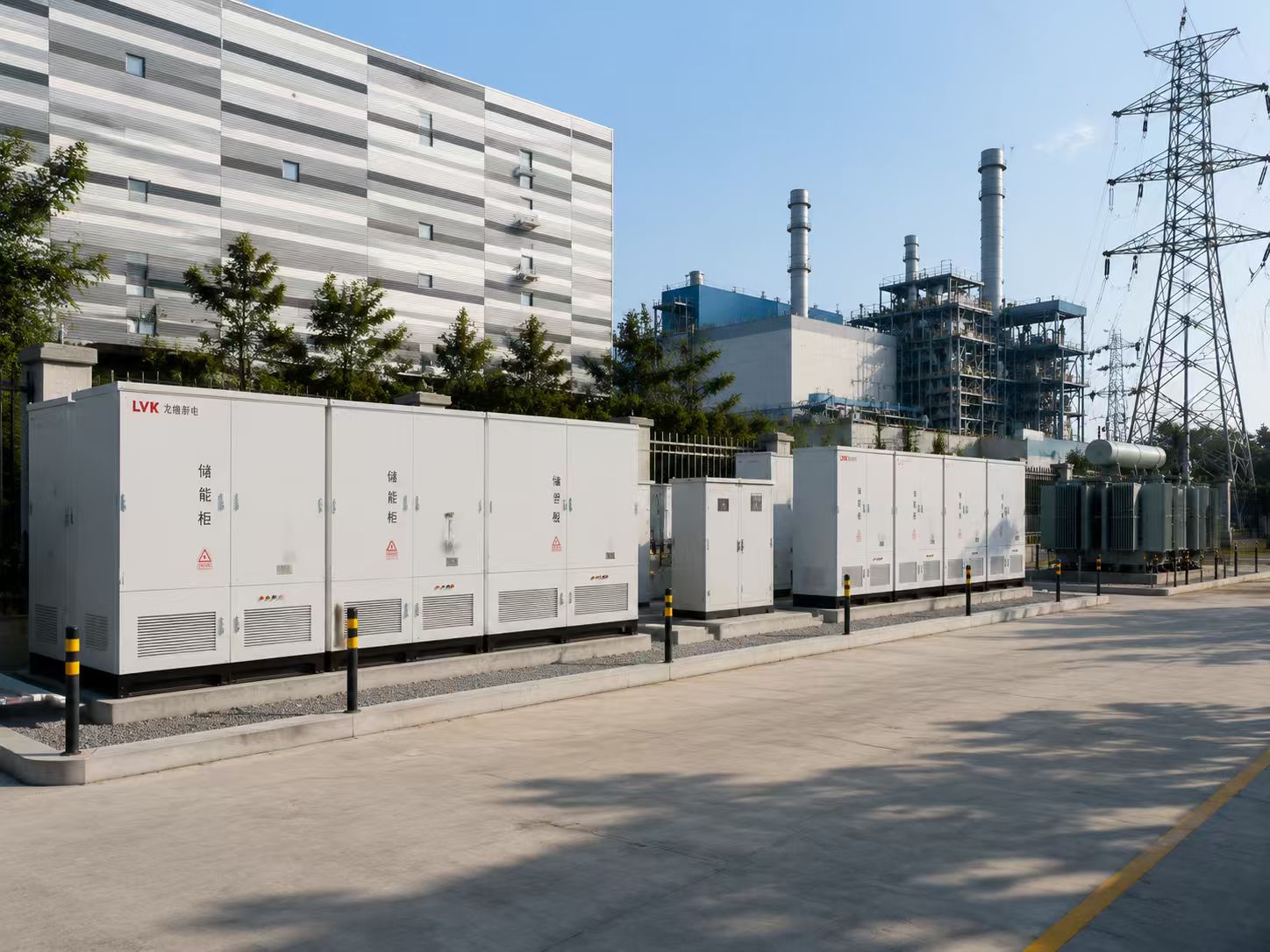
1. Evaluate the Manufacturer’s System Integration Capability
A C&I BESS is much more than a battery cabinet.
A complete energy storage system may include:
· Battery cells and battery packs
· Battery Management System (BMS)
· Power Conversion System (PCS)
· Energy Management System (EMS)
· Thermal management
· Fire detection and suppression
· Monitoring and communication systems
· Cabinet protection and control systems
These components need to operate together reliably.
A manufacturer with strong system integration capability can coordinate the battery, PCS, EMS, protection system, and communication interfaces as one complete solution.
For EPC companies, this can simplify:
· System design
· Installation
· Commissioning
· Troubleshooting
· Remote monitoring
· Long-term maintenance
Before choosing a supplier, ask whether the manufacturer is responsible for complete system integration or simply assembling components from different vendors.
2. Check Battery Technology and Safety Design
LiFePO4 (LFP) battery technology is widely used in stationary energy storage because of its safety characteristics, cycle performance, and suitability for commercial and industrial applications.
However, battery chemistry alone does not determine the safety of a BESS.
EPC companies should also evaluate the complete safety architecture, including:
· Cell and module monitoring
· BMS protection
· Temperature monitoring
· Thermal management
· Fire detection
· Fire suppression
· Cabinet-level protection
· Emergency shutdown
· Fault detection and alarm systems
A professional manufacturer should be able to clearly explain how these systems work together and how abnormal operating conditions are handled.
This becomes especially important for projects located in hot climates such as the Middle East and Africa, where thermal management and environmental protection can have a significant impact on system operation.
3. Look Beyond Battery Capacity
A common mistake when comparing BESS suppliers is to focus only on battery capacity.
A 500kWh or 1MWh system may look attractive on a product list, but battery capacity alone does not determine whether the system is suitable for a project.
EPC companies should evaluate: Battery Capacity + PCS Power + Load Profile + Operating Strategy
For example, a factory primarily focused on peak shaving may require a different PCS-to-battery ratio from a project designed for solar energy shifting or backup power.
The same battery capacity can therefore produce very different results depending on:
· Peak demand
· Peak duration
· Load characteristics
· Solar generation
· Electricity tariff structure
· Required backup power
· Battery operating strategy
The right manufacturer should be able to understand these requirements before recommending a standard cabinet.
4. Ask About EMS and Energy Management
The EMS plays an important role in determining how a C&I BESS operates in a real project.
Depending on the system configuration, the EMS may coordinate:
· Solar generation
· Grid power
· Battery charging
· Battery discharging
· Peak demand
· Time-of-use operation
· Factory loads
· Diesel generators
· Battery state of charge
For example, a factory may use the BESS to charge during lower-cost periods and discharge during peak demand periods.
A solar project may prioritize self-consumption by storing excess PV generation and using it later.
A hybrid microgrid may require coordination between solar PV, BESS, the grid, and diesel generators.
For this reason, EPC companies should evaluate not only the battery hardware but also the manufacturer’s EMS capabilities and communication interfaces.
Internal link suggestion: Link “C&I BESS solutions” to the LVK Power C&I BESS product/solution page.
5. Check OEM, ODM, and Customization Capability
EPC companies and distributors often require more flexibility than a standard catalog product can provide.
Project requirements may include:
· Customized battery capacity
· Different PCS power configurations
· Private labeling
· OEM/ODM manufacturing
· Customized communication protocols
· Remote monitoring requirements
· Local grid requirements
· Different cabinet configurations
· Project-specific control strategies
A manufacturer with in-house engineering and customization capabilities can be more flexible when projects move from initial quotation to final system design.
For distributors, OEM and ODM capability can also make it easier to develop long-term cooperation under a local brand or project-specific configuration.
6. Review Relevant Project Experience
Before selecting a supplier, ask for project references that are relevant to your own application.
Do not only look at the total number of projects completed.
Instead, evaluate whether the manufacturer has experience with similar:
· Countries
· Climate conditions
· System capacities
· Grid conditions
· Applications
· Customer types
For example, a manufacturer experienced in factories, industrial parks, solar + storage systems, hybrid microgrids, and commercial facilities may be better prepared to support EPC companies working on complex international projects.
Project experience is particularly valuable when the project involves unusual load profiles, unstable grids, extreme temperatures, or hybrid power sources.
Internal link suggestion: Link relevant project examples to the LVK Power case study pages, such as the Saudi Arabia 522kWh Commercial Park and Kenya 1044kWh Hybrid Microgrid projects.
7. Evaluate Technical Support and Delivery Capability
BESS projects involve more than equipment delivery.
A reliable manufacturer should be able to support EPC partners throughout different stages of the project, including:
· Technical consultation
· System configuration
· Product selection
· Technical documentation
· Installation guidance
· Commissioning support
· Remote monitoring
· Troubleshooting
· After-sales technical support
Delivery capability is equally important.
A delay in battery storage equipment can affect the installation schedule, grid connection, commissioning, and final handover of an entire EPC project.
When evaluating a supplier, ask about:
· Standard lead time
· Production capacity
· Quality control process
· Factory testing
· Packaging and transportation
· Spare parts
· Technical response procedures
8. Questions EPC Companies Should Ask Before Choosing a BESS Manufacturer
Before placing an order, EPC companies and distributors should ask the following questions:
1. Can the manufacturer provide complete system documentation? This may include electrical diagrams, communication information, installation instructions, commissioning procedures, and operating documentation.
2. Can the system be customized for the project? Check whether the manufacturer can adapt capacity, PCS power, communication protocols, monitoring, and system configuration.
3. Does the manufacturer provide EMS and remote monitoring? This is especially important for projects that require long-term remote operation and energy management.
4. Can the supplier support commissioning? Technical support during commissioning can reduce project delays and troubleshooting time.
5. Does the manufacturer have relevant international project experience? Experience with similar climates, grid conditions, applications, and project sizes can reduce technical risks.
6. Can the supplier support long-term cooperation? For distributors and EPC companies, technical support, OEM/ODM capability, product updates, and stable delivery are often more important than a single low-cost quotation.
Conclusion
Choosing a C&I BESS manufacturer in China should be based on much more than battery price.
EPC contractors, distributors, and system integrators should evaluate:
· System integration capability
· Battery and safety technology
· PCS and EMS compatibility
· Customization capability
· Project experience
· Technical support
· Delivery capability
· Long-term cooperation potential
For international energy storage projects, the right manufacturing partner can be just as important as the product itself.
LVK Power provides C&I battery energy storage solutions from 100kWh to 2MWh+ for EPC contractors, distributors, system integrators, and industrial energy projects.
Looking for a C&I BESS manufacturer for your next project? Contact LVK Power to discuss your required capacity, application, system configuration, and OEM/ODM requirements.
FAQ
What should EPC companies look for in a C&I BESS manufacturer?
EPC companies should evaluate system integration capability, battery safety, PCS and EMS compatibility, customization, project experience, technical support, delivery capability, and long-term cooperation potential.
Is China a good source for commercial battery energy storage systems?
China has a mature battery energy storage supply chain, and many manufacturers provide OEM, ODM, customization, and technical support for international energy storage projects.
What battery technology is commonly used in C&I BESS?
LiFePO4 (LFP) is widely used in stationary energy storage because of its safety characteristics, cycle performance, and suitability for commercial and industrial applications.
Why is EMS important in a commercial energy storage system?
EMS coordinates battery charging and discharging with solar generation, grid power, loads, and other energy sources according to the project's operating strategy.
What information should an EPC company provide when requesting a BESS quotation?
Useful information includes load profile, peak demand, solar capacity, required battery capacity, PCS power, operating strategy, grid conditions, backup requirements, and project location.