
Energy Storage Knowledge
Industrial Battery Energy Storage Systems for Manufacturing Plants: How Factories Reduce Electricity Costs and Improve Efficiency
Discover how industrial battery energy storage systems help manufacturing plants reduce electricity costs, optimize solar energy usage, improve power reliability, and build smarter factory energy management solutions.
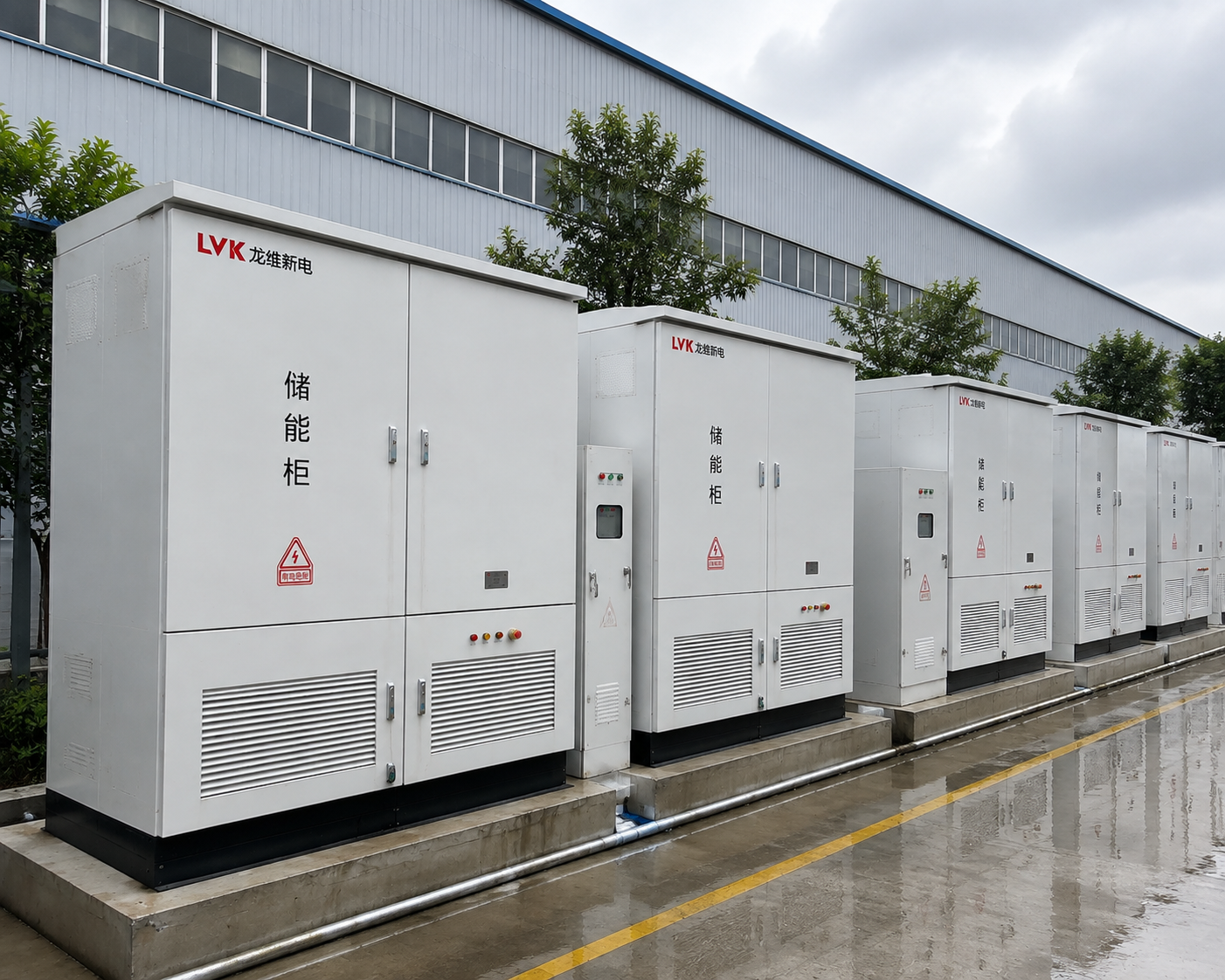
Industrial Battery Energy Storage Systems for Manufacturing Plants: How Factories Reduce Electricity Costs and Improve Efficiency
Electricity has become one of the most important operating costs for modern manufacturing plants.
For industries such as:
· Automotive manufacturing
· Electronics production
· Food processing
· Metal fabrication
· Textile factories
· Chemical industries
stable and affordable electricity supply directly affects production efficiency and business competitiveness.
However, many factories are facing increasing energy challenges:
· Rising electricity prices
· Higher peak demand charges
· Grid instability
· Increasing solar adoption
· Pressure to improve energy efficiency
Traditional energy management methods are often unable to provide enough flexibility.
This is why more manufacturers are adopting industrial battery energy storage systems (Industrial BESS) to optimize electricity usage and improve factory energy management.
Why Manufacturing Plants Need Industrial Battery Energy Storage Systems
A factory’s electricity demand is not constant throughout the day.
Production equipment such as:
· Motors
· Compressors
· HVAC systems
· Automated production lines
· Refrigeration equipment
can create large fluctuations in power consumption.
During peak production periods, factories may experience:
· High electricity demand
· Increased utility charges
· Greater pressure on electrical infrastructure
Industrial battery energy storage systems help factories manage these challenges by storing electricity and using it when needed.
The main benefits include:
· Peak shaving
· Time-of-use electricity optimization
· Solar energy storage
· Backup power support
· Microgrid integration
How Industrial BESS Reduces Factory Electricity Costs
For manufacturing plants, the biggest value of energy storage is usually not only sustainability.
The primary goal is:
Reducing electricity costs while maintaining reliable production.
1. Peak Shaving: Reduce Demand Charges
Peak shaving is one of the most common applications of industrial battery energy storage systems.
Many electricity providers calculate part of the electricity bill based on the highest power demand recorded during a billing period.
A short period of high electricity consumption can significantly increase monthly costs.
With an industrial BESS system:
During peak demand periods:
· Battery storage supplies additional power
· Grid electricity demand decreases
· Factory demand charges can be reduced
Example:
A factory operates several production lines during afternoon hours.
Instead of relying completely on grid power:
· The battery system discharges stored energy
· Factory load is partially supported
· Electricity demand peaks are reduced
This allows factories to achieve better energy cost control.
2. Time-of-Use (TOU) Electricity Optimization
Many regions use different electricity prices throughout the day.
Typically:
· Off-peak periods have lower electricity prices
· Peak periods have higher electricity prices
Industrial battery energy storage systems allow factories to:
1. Charge batteries during low-cost periods
2. Store electricity
3. Discharge energy during expensive periods
This creates a more flexible electricity management strategy.
For factories operating multiple shifts, TOU optimization can significantly improve energy efficiency.
3. Increase Solar Self-Consumption
More manufacturing plants are installing rooftop solar systems to reduce dependence on grid electricity.
However, solar generation does not always match factory electricity demand.
For example:
Solar production:
· Highest during daytime
Factory demand:
· May continue into evening hours
Without battery storage:
· Excess solar energy may be wasted
· Grid dependence remains
With industrial BESS:
During daytime:
· Solar power supplies factory loads
· Excess solar energy charges the battery
Later:
· Stored energy supports factory operation
This improves solar utilization and increases the value of rooftop PV investment.
4. Improve Factory Power Reliability
For many manufacturing industries, power interruptions can cause:
· Production downtime
· Equipment damage
· Delivery delays
· Financial losses
Industrial battery energy storage systems can provide fast-response power support.
When integrated with:
· Solar PV
· Grid power
· Diesel generators
BESS can help build a more reliable hybrid energy system.
What Is an Industrial Battery Energy Storage System?
An industrial BESS is a complete energy management solution that integrates multiple components:
Battery System
Stores electrical energy and provides power when required.
LVK Power uses advanced battery solutions designed for commercial and industrial applications.
Battery Management System (BMS)
The BMS monitors:
· Battery voltage
· Temperature
· State of charge
· Safety status
to ensure stable battery operation.
Power Conversion System (PCS)
The PCS controls energy conversion between:
· DC battery power
· AC factory systems
· Grid connection
Energy Management System (EMS)
The EMS intelligently manages:
· Battery charging
· Battery discharging
· Solar integration
· Electricity usage strategy
For factories, EMS enables smarter energy scheduling based on:
· Electricity prices
· Production demand
· Renewable energy availability
LVK Power Industrial Battery Energy Storage Solutions for Factories
LVK Power provides customized commercial and industrial battery energy storage solutions from:
100kWh to 2MWh+
The solutions are designed for:
· Manufacturing plants
· Industrial parks
· Commercial facilities
· Renewable energy projects
LVK 261kWh Air-Cooled Energy Storage System
For small and medium-sized industrial applications, LVK 261kWh air-cooled BESS provides a flexible solution for:
· Peak shaving
· Solar integration
· Energy cost optimization
Advantages:
· Modular cabinet design
· Easy deployment
· Flexible installation
LVK 522kWh Commercial and Industrial Energy Storage System
For factories with higher electricity demand, LVK 522kWh energy storage systems provide larger capacity for:
· Factory electricity management
· Solar + storage applications
· Industrial microgrid projects
Typical applications:
· Manufacturing facilities
· Industrial parks
· Commercial buildings
Large-Scale Industrial Energy Storage Solutions
For large manufacturing facilities with higher energy consumption, LVK Power provides customized industrial energy storage solutions.
These solutions can support:
Larger battery capacity requirements
Multiple cabinet parallel operation
Solar + storage integration
Industrial microgrid applications
The system can be customized according to:
Factory electricity consumption
Required backup duration
Solar PV capacity
Grid conditions
Future expansion requirements
How to Choose the Right Industrial BESS for a Manufacturing Plant
Selecting an industrial battery energy storage system requires more than choosing battery capacity.
A suitable solution should be designed according to the factory’s actual energy profile.
- Analyze Factory Electricity Consumption
Before selecting a BESS system, factories should evaluate:
Daily electricity consumption
Peak power demand
Production schedule
Seasonal energy changes
This analysis helps determine:
Battery capacity
PCS power rating
Required discharge duration
A properly sized system provides better economic performance compared with simply selecting the largest battery capacity.
- Consider Solar Integration Requirements
Many factories already have rooftop solar systems or plan to install solar PV.
The energy storage system should work together with:
Solar panels
Inverters
Factory loads
Grid connection
A properly integrated solar + storage system can:
Increase renewable energy utilization
Reduce grid electricity consumption
Improve energy independence
- Evaluate Operating Environment
Industrial projects may operate in different climates and environments.
Important factors include:
Ambient temperature
Indoor or outdoor installation
Dust conditions
Humidity levels
For projects in hot regions such as the Middle East and Africa, thermal management and cabinet protection design are especially important.
- Consider Future Expansion
Manufacturing plants often expand production capacity over time.
A modular energy storage solution allows customers to increase system capacity according to future energy demand.
This reduces the need for complete system replacement and improves long-term investment value.
Why System Integration Matters for Factory Energy Storage Projects
A professional industrial BESS solution is not only a battery cabinet.
It requires coordination between multiple systems:
Battery modules
BMS
PCS
EMS
Thermal management
Safety systems
The quality of system integration directly affects:
Energy efficiency
Operational reliability
Maintenance requirements
Project lifetime
For EPC contractors and factory owners, selecting a supplier with complete engineering capability is critical.
Why EPC Contractors Choose LVK Power
For industrial energy storage projects, EPC contractors need more than a product supplier.
They need a reliable technology partner that can support system design, customization, and project delivery.
Factory-Direct Manufacturing
LVK Power focuses on commercial and industrial battery energy storage solutions with direct manufacturing capability.
Benefits include:
Better quality control
Flexible customization
Faster technical communication
More efficient project coordination
Complete Commercial and Industrial Energy Storage Product Range
LVK Power provides:
100kWh-2MWh+ energy storage systems
261kWh air-cooled BESS
522kWh commercial energy storage systems
Customized industrial storage solutions
The modular product design allows flexible configuration for different factory applications.
Integrated BESS Technology
LVK energy storage solutions integrate:
LiFePO4 battery technology
Battery Management System (BMS)
Power Conversion System (PCS)
Energy Management System (EMS)
Thermal management system
This integrated approach helps customers build reliable and efficient energy systems.
OEM/ODM and Project Support
LVK Power supports:
EPC contractors
Energy distributors
System integrators
Industrial customers
Support includes:
Technical documentation
System configuration
Project communication
Installation guidance
Conclusion
Manufacturing plants are facing increasing pressure from rising electricity costs, unstable power supply, and the need for smarter energy management.
Industrial battery energy storage systems provide factories with a practical solution by:
Reducing peak electricity costs
Optimizing electricity usage
Increasing solar self-consumption
Improving power reliability
However, the success of an energy storage project depends on selecting the right system design and the right technology partner.
LVK Power provides customized commercial and industrial battery energy storage solutions from 100kWh to 2MWh+, helping manufacturing plants worldwide improve energy efficiency and build more reliable power systems.
FAQ
How can industrial battery energy storage systems reduce factory electricity costs?
Industrial BESS systems reduce electricity costs mainly through peak shaving, time-of-use optimization, and increased solar self-consumption. The battery stores electricity when costs are lower and supplies power during expensive peak periods, helping factories optimize energy expenses.
What is peak shaving in industrial energy storage?
Peak shaving means using battery storage to reduce electricity demand from the grid during high-consumption periods. When factory electricity demand reaches a peak level, the battery provides additional power to reduce grid demand and lower demand-related charges.
Can industrial BESS work with factory rooftop solar systems?
Yes. Industrial battery energy storage systems can integrate with rooftop solar PV systems to store excess solar energy and provide power when solar generation decreases. This improves renewable energy utilization and reduces grid dependence.
What battery capacity does a manufacturing plant need?
The required battery capacity depends on: Factory electricity consumption Peak demand Production schedule Solar capacity Required backup duration A professional supplier should analyze the factory's energy profile before recommending a suitable system.
Why should factories choose a professional BESS manufacturer?
A professional manufacturer can provide: Reliable battery systems Complete BMS/PCS/EMS integration Customized solutions Technical support Project delivery experience This helps improve system reliability and long-term operation performance.