
Apart from making the products well, what else are we doing?
We’ve talked a lot about “how to make a good energy storage cabinet.” From the production line to after‑sales service, from details to philosophy, from failures to growth. All of this has been about the past and the present.
But today, we’d like to talk about the future.
Longvictor New Electrical is not just a factory that manufactures energy storage cabinets. We’re also working on many new things. Some have already been put into practice, some are still in development, and some may take another year or two before they reach the market. But regardless of the timeline, the direction is clear: we want to make energy storage cabinets smarter, simpler, and more reliable.
So in this article, we’d like to tell you, in detail, about what we are working on.
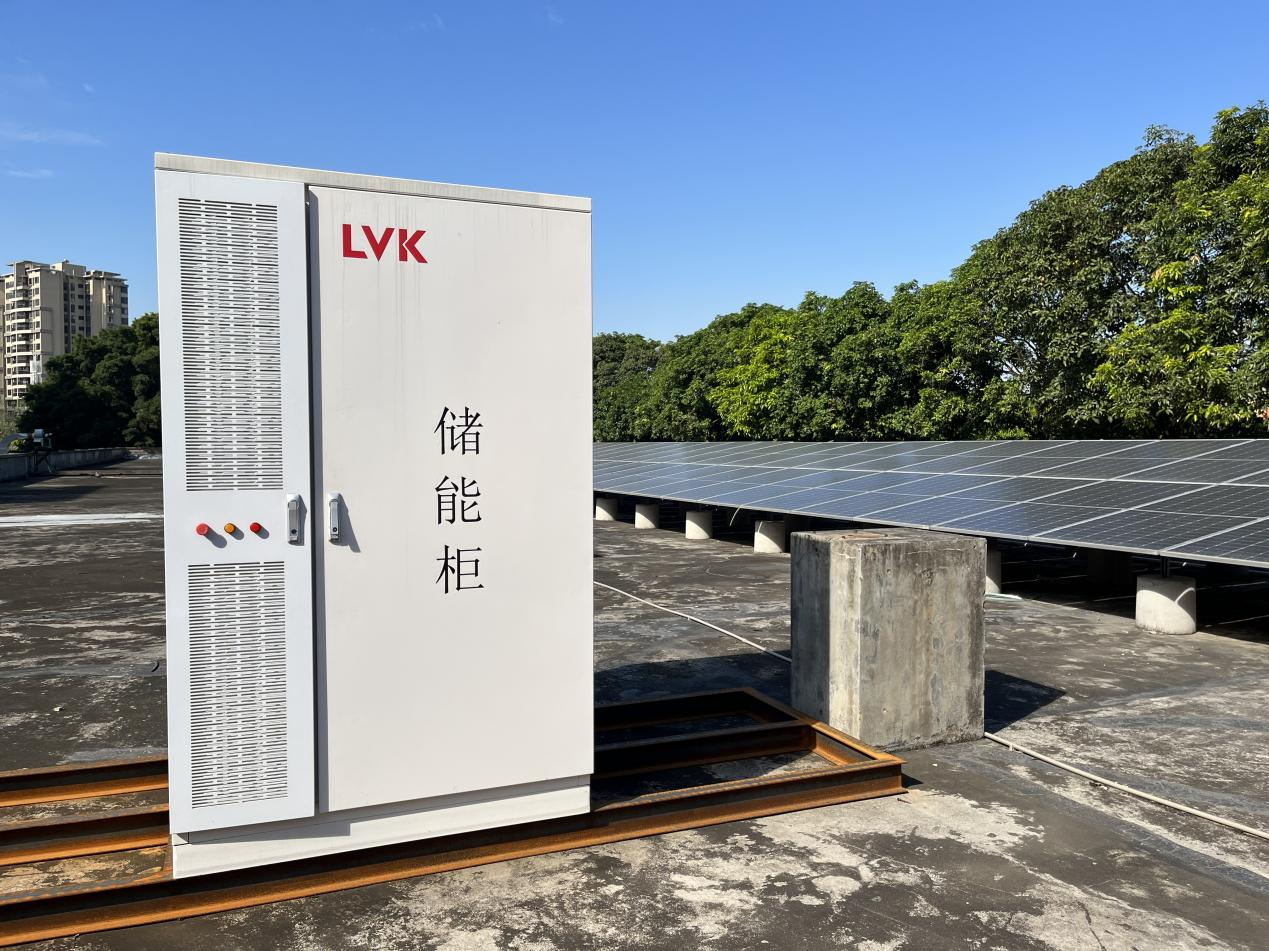
The first thing: We are developing a more intelligent remote operation and maintenance system.
Current energy storage cabinets can already be monitored via a mobile app—checking battery levels, adjusting parameters, and performing remote upgrades. But we believe this is still not enough.
The new generation of remote operation and maintenance systems we are developing will incorporate more predictive maintenance features. What does that mean? It means the system will use data analysis to tell you in advance things like “this battery cell may soon have an issue” or “this relay is approaching the end of its service life,” rather than waiting until something breaks to sound an alarm.
The logic behind this functionality is that the value of an energy storage cabinet lies in its continuous operation. If it suddenly fails—even for just one day—it represents a loss for the user. If we can provide early warnings and allow users to schedule maintenance in a prepared manner, that loss can be avoided.
At present, this system has been running in our R&D lab for three months, conducting in‑depth analysis of operational data from a batch of cabinets. Initial results show that it can predict over seventy percent of potential failures two weeks to a month in advance. We are continuing to refine the algorithm, with the goal of reaching ninety percent accuracy.
The second thing: We are working on a more flexible modular design.
Most energy storage cabinets on the market today have a fixed capacity. If you buy a 5 kWh cabinet, you get 5 kWh; if you want to expand, you have to purchase another new cabinet.
The new generation of modular design we are developing will change this. Users will be able to freely combine units like building blocks—start with a base module, and when more capacity is needed later, simply add an expansion module that can be plugged in and used. No rewiring, no need to replace the inverter, and no need to hire a professional electrician.
This design is especially user‑friendly for residential users, because household electricity needs change over time. This year, you might only need enough storage to cover evening usage; next year, after buying an electric vehicle, you may require more capacity. If energy storage cabinets can be stacked together like LEGO bricks, it eliminates the need for repeated investments.
A prototype of this product has already been developed and is undergoing various tests. We aim to bring it to market in the first half of next year.
The third matter: We are currently refining a solution that is more suitable for extremely cold regions.
Energy storage cabinets do not perform well in cold temperatures—this is a consensus in the industry. Below minus twenty degrees Celsius, the performance of lithium batteries drops significantly, and they may even fail to charge. As a result, the adoption of energy storage cabinets in northern regions, Nordic countries, Canada, and other cold areas has remained limited.
We are currently collaborating with a materials research institute to develop a new type of thermal insulation solution. It is not simply about thickening the insulation layer; instead, we are embedding an intelligent temperature control system between the battery cells and the enclosure. This system automatically activates heating when temperatures drop to low levels, but the heating draws power from the grid rather than from the battery itself, so it does not consume stored energy.
This solution has been tested for two winters in a laboratory environment simulating minus thirty degrees Celsius, showing significantly better results than conventional approaches. We are also conducting field tests, having selected several pilot users in Northeast China to use the system through real winter conditions and evaluate its actual performance.
The fourth matter: We are currently developing a more user-friendly installation guidance system.
Earlier, we mentioned in our articles how a well‑designed manual directly affects the user’s installation experience. But we feel that manuals and videos alone are not enough.
We are currently developing an AR‑assisted installation system. When users scan the QR code on the cabinet with their phone, virtual installation guidance will appear on the screen, showing step‑by‑step instructions like “tighten the screw here” or “plug this cable into this port.” Users don’t need to understand the manual—they can simply follow the on‑screen guidance.
This system is still under development. Technologically, it has been proven to work, but we still need to conduct more scenario‑based testing to ensure smooth operation across various mobile devices. We expect to officially launch it next year.
The fifth thing: We are establishing a more comprehensive user community.
Many users encounter small issues when using their energy storage cabinets or want to learn how others are using them. Currently, their only options are to contact customer service or search online, which is inefficient.
We are building a user community where all Longvictor customers can exchange experiences, share tips, ask questions, and get help. The community will include official technical support staff as well as enthusiastic long‑time users who can help resolve issues together.
This community is currently in closed beta, with some long‑standing customers invited to participate. The feedback has been positive—people find it very convenient to have a dedicated space to discuss energy storage cabinet usage. Once the beta phase is complete, we will open it up to all users.
Final Note
These are the new things Longvictor New Electrical is working on. Some are nearly ready, some are still in progress, and some may take a little longer. But regardless of the timeline, the direction is clear: to make energy storage cabinets smarter, simpler, and more reliable.
We are doing these things not because we are chasing some trend, but because we interact with customers every day and know what they need. They need more hassle‑free operation and maintenance, more flexible capacity expansion, more reliable low‑temperature performance, simpler installation, and more convenient ways to connect. These needs are what drive us.
Longvictor New Electrical is not just a factory that produces energy storage cabinets; what we aspire to be is your partner on your electricity journey. Whether you are a residential user or a commercial user, whether you are in the tropics or in a cold region, whether you are using the first generation of our product or the latest, we hope to accompany you further along the way.
This is the future of Longvictor New Electrical. We are still on the journey, and you are welcome to join us.